DISCOVER
Job Security in Cybersecurity
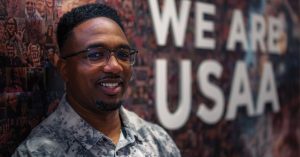
NCO still in the fight with his civilian career at USAA.* Imagine if you could transition from the military into a civilian career that still

NCO still in the fight with his civilian career at USAA.* Imagine if you could transition from the military into a civilian career that still

Open New Doors for Your Career with UC Online.

By Hailey Brindamour, American Corporate Partners Everyone knows that some things just pair perfectly together. Peanut butter and jelly; fall leaf peeping and pumpkin spice

By Dave Maurer It should be pretty obvious that transitioning service members (TSMs) are an invaluable resource to all of the military branches in attaining

Meet Randall Stremmel, a Marine veteran who owns one of many companies that are recruiting from the military. There are many ways transitioning service members

How mentorships open doors for veterans. By Kimberly Valdeos, ACP The landscape of the technology sector is constantly shifting, offering ground-breaking systems, programs, and opportunities
NCO still in the fight with his civilian career at USAA.* Imagine if you could transition from the military into a civilian career that still
Open New Doors for Your Career with UC Online.